Ankle Sprain Rehabilitation: The Complete Recovery and Return-to-Sport Guide
Ankle sprains are among the most common injuries in sport, yet they remain one of the most underestimated. Many athletes simply wait for the pain and swelling to settle before returning to training or competition. Unfortunately, this approach is one of the main reasons why ankle sprains frequently become recurrent injuries and lead to long-term instability.
At our sports physiotherapy clinics in Ho Chi Minh City and Hanoi, ankle sprains are among the most common injuries we treat in football players, basketball players, runners, pickleball athletes and padel players. Early assessment and proper rehabilitation can significantly reduce the risk of recurrent ankle injuries and chronic ankle instability.
What Is an Ankle Sprain?
An ankle sprain occurs when one or more ligaments of the ankle are stretched or torn following an excessive movement, most commonly when the foot rolls inward.
Ligaments are strong connective tissues that help stabilize joints and control excessive movement. When these structures are injured, the ankle may become painful, swollen and unstable.
Ankle sprains are particularly common in sports that involve running, jumping, landing and rapid changes of direction, including:
Football
Basketball
Volleyball
Badminton
Pickleball
Tennis
Trail running
Although often considered a minor injury, an ankle sprain can significantly affect performance and increase the risk of future injuries if not properly managed.
Not All Ankle Sprains Are the Same

One of the most common mistakes after an ankle injury is assuming that all ankle sprains are identical.
Different structures can be injured, and treatment recommendations may vary significantly depending on the type and severity of the sprain.
Lateral Ankle Sprain
This is the most common type of ankle sprain.
It usually occurs when the foot rolls inward and affects the ligaments located on the outside of the ankle.
Most sports-related ankle sprains belong to this category.
Medial Ankle Sprain
Medial ankle sprains involve the ligaments on the inside of the ankle.
They are less common but can sometimes require a longer recovery period due to the strength and complexity of the structures involved.
Syndesmotic (High Ankle) Sprain
Often referred to as a "high ankle sprain", this injury affects the ligaments connecting the tibia and fibula.
These injuries are frequently seen in contact sports and often take considerably longer to recover than a traditional lateral ankle sprain.
Subtalar Sprain
Subtalar sprains affect the joint located beneath the ankle.
They are often overlooked and may contribute to persistent instability, especially on uneven surfaces.
The most important message is simple:
Correctly identifying the type and severity of the injury is one of the most important first steps in rehabilitation.
A qualified healthcare professional can help determine exactly which structures are involved and guide the most appropriate treatment plan.
When Should You Get an X-Ray?
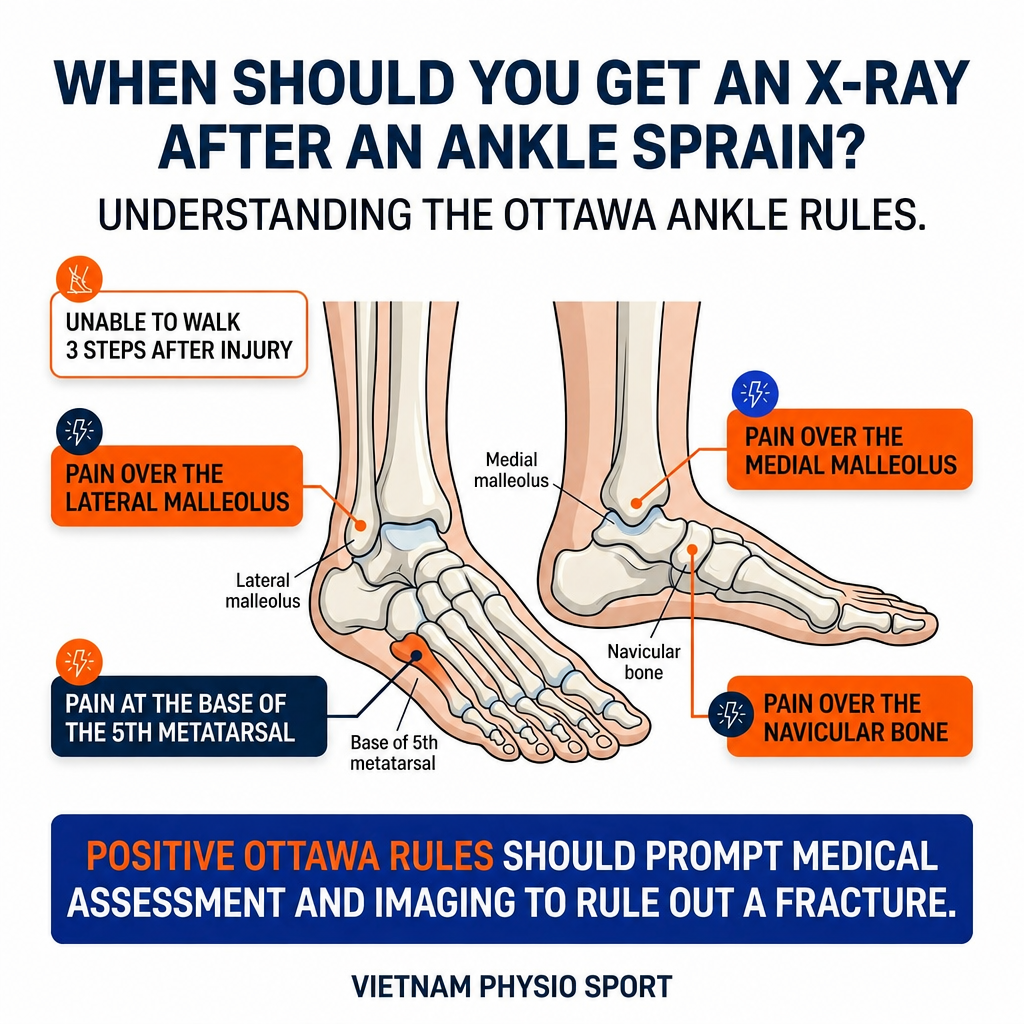
Not every ankle sprain requires medical imaging.
However, one important concern immediately after injury is ruling out a fracture.
Healthcare professionals often use the Ottawa Ankle Rules to determine whether an X-ray is recommended.
Potential red flags include:
Inability to walk 3 steps after the injury
Pain directly over the ankle bones (malleoli)
Pain at the base of the fifth metatarsal
Pain over the navicular bone
If these signs are present, medical assessment and imaging should not be delayed.
A positive Ottawa Rule assessment should prompt an X-ray to rule out a fracture before beginning rehabilitation.
Common Symptoms After an Ankle Sprain
Symptoms can vary depending on the severity of the injury but commonly include:
Pain around the ankle
Swelling
Bruising
Difficulty walking
Reduced range of motion
Loss of confidence when moving
Feeling that the ankle may "give way"
Symptoms often improve quickly, but symptom improvement does not necessarily mean the ankle has fully recovered.
Understanding Ankle Sprain Severity
Ankle sprains are commonly classified into three grades.
Grade 1
Mild ligament injury with minimal swelling and relatively little loss of function.
Grade 2
Partial ligament tear with more significant pain, swelling and functional limitations.
Grade 3
Complete ligament tear associated with substantial swelling, bruising and instability.
While injury severity influences recovery time, it does not automatically determine when an athlete is ready to return to sport.
Two athletes with the same diagnosis may recover at very different rates depending on their rehabilitation process and functional progress.
The 5 Phases of Ankle Sprain Rehabilitation
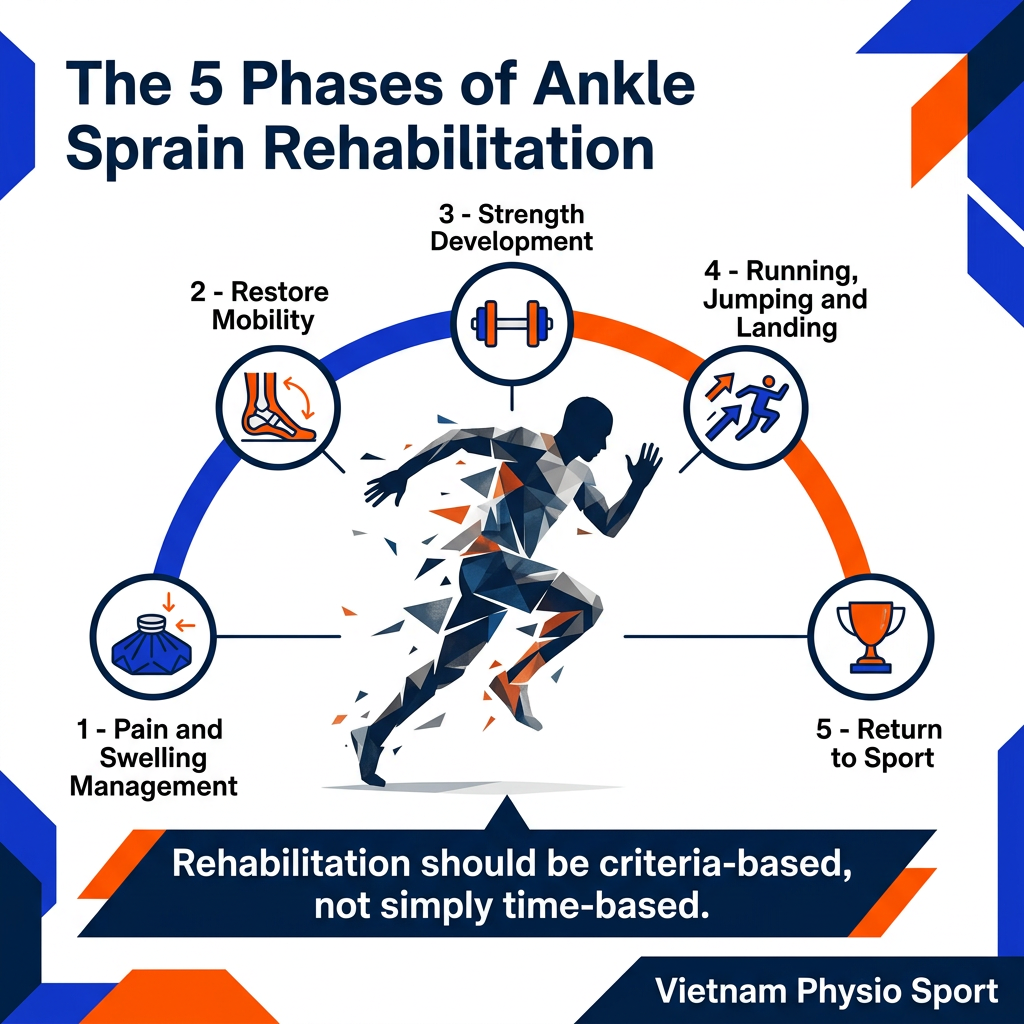
Successful rehabilitation follows a progressive approach.
Phase 1: Pain and Swelling Management
The initial goal is to reduce pain and swelling while maintaining as much movement as possible.
Complete immobilization is rarely the best solution unless specifically recommended by a healthcare professional.
Early protected movement often helps recovery.
Phase 2: Restore Mobility
Once symptoms begin to settle, restoring ankle mobility becomes a priority.
Particular attention should be paid to ankle dorsiflexion, which is commonly restricted after a sprain.
Phase 3: Strength Development
Strength deficits often persist long after pain has disappeared.
Rehabilitation should focus on:
Calf strength
Foot and ankle strength
Single-leg control
Lower limb capacity
Phase 4: Running, Jumping and Landing
As strength improves, athletes should progressively reintroduce higher-impact activities.
This includes:
Running
Jumping
Landing
Deceleration drills
Phase 5: Return to Sport
The final phase focuses on sport-specific demands.
Athletes must demonstrate adequate strength, movement quality, confidence and functional capacity before returning to unrestricted participation.
Rehabilitation should be criteria-based rather than timeline-based whenever possible.
The Most Neglected Deficit After an Ankle Sprain: Dorsiflexion
One of the most common problems we see after ankle sprains is a loss of ankle dorsiflexion.
Dorsiflexion refers to the ability of the knee to move forward over the foot.
This movement is essential for:
Walking
Running
Squatting
Jumping
Landing
Changing direction
Unfortunately, many athletes return to sport with significant mobility restrictions.
These restrictions do not only affect the ankle.
Limited dorsiflexion can also influence knee and hip mechanics and may contribute to compensation patterns elsewhere in the body.
The Lunge Test
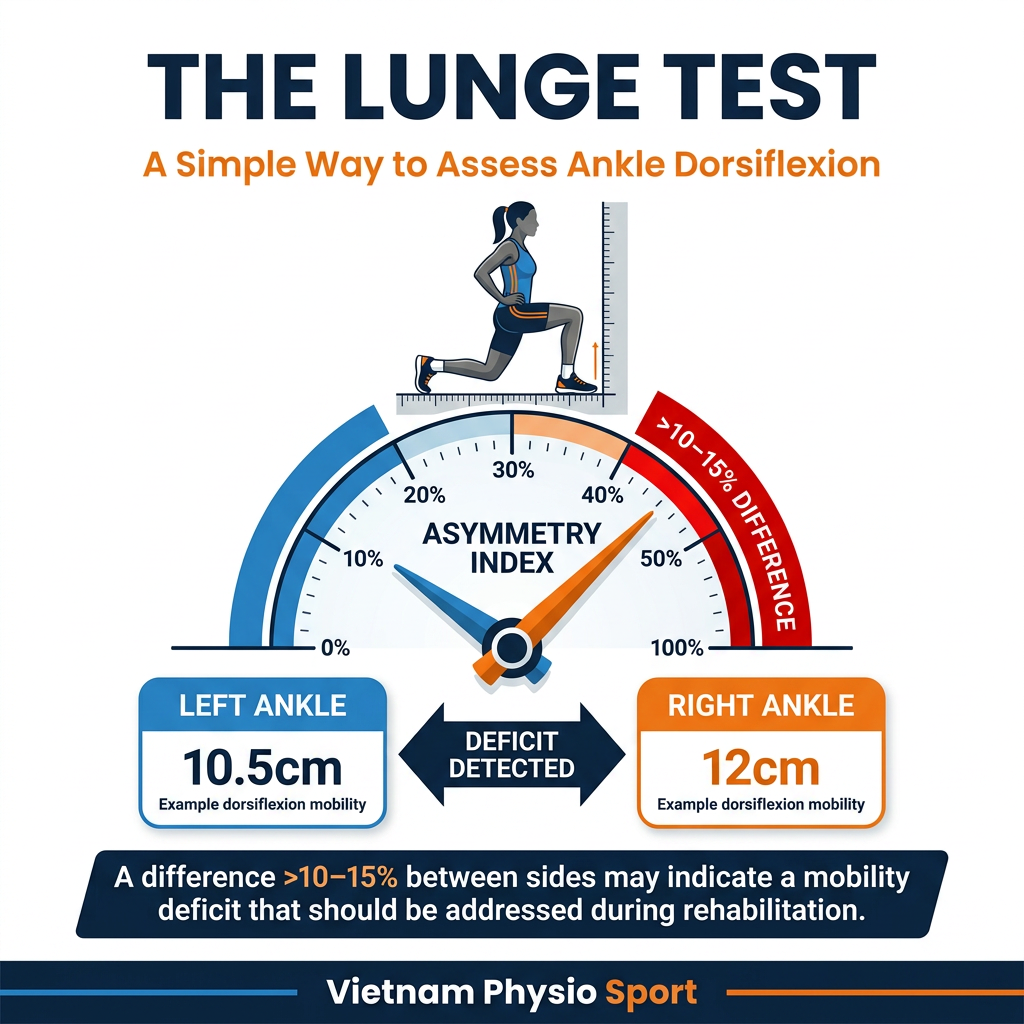
A simple way to assess dorsiflexion is the Knee-to-Wall or Lunge Test.
Compare the injured and uninjured sides.
A difference greater than approximately 10–15% may indicate a persistent mobility deficit that deserves attention.
Restoring dorsiflexion is often one of the most important goals during the early stages of rehabilitation.
Return to Sport Is About Function, Not Pain
Similar principles apply to other sports injuries such as ACL injuries, where return-to-sport decisions should be based on objective criteria rather than symptoms alone.
One of the biggest misconceptions surrounding ankle sprains is the belief that recovery is complete once pain disappears.
In reality:
Pain-free does not mean ready to play.
Return-to-sport decisions should be based on function rather than symptoms alone.
Important criteria may include:
Strength restoration
Balance and control
Single-leg hopping ability
Jumping and landing mechanics
Change of direction capacity
Sport-specific performance
Confidence
Many athletes can walk without pain while still presenting significant deficits that increase their risk of re-injury.
Should I Wear a Brace or Tape?
Ankle braces and taping can be useful tools during the return-to-sport process.
They may provide:
Additional support
Improved confidence
Temporary protection during the transition back to activity
However, they should never replace rehabilitation.
If an athlete feels unable to participate without a brace several months after the injury, it may indicate that important deficits remain unresolved.
Braces and taping can support recovery, but strength, mobility and function remain the foundation of long-term ankle health.
Why Young Athletes Should Not Ignore Ankle Sprains
A common misconception among parents, coaches and young athletes is:
"They are young, they will recover naturally."
While younger athletes often heal quickly, incomplete rehabilitation can still create long-term problems.
Potential consequences include:
Recurrent ankle sprains
Chronic instability
Reduced confidence
Altered movement patterns
Increased injury risk later in their sporting career
Age does not protect athletes from the consequences of inadequate rehabilitation.
Young athletes deserve the same attention and rehabilitation principles as adults.
Common Mistakes After an Ankle Sprain
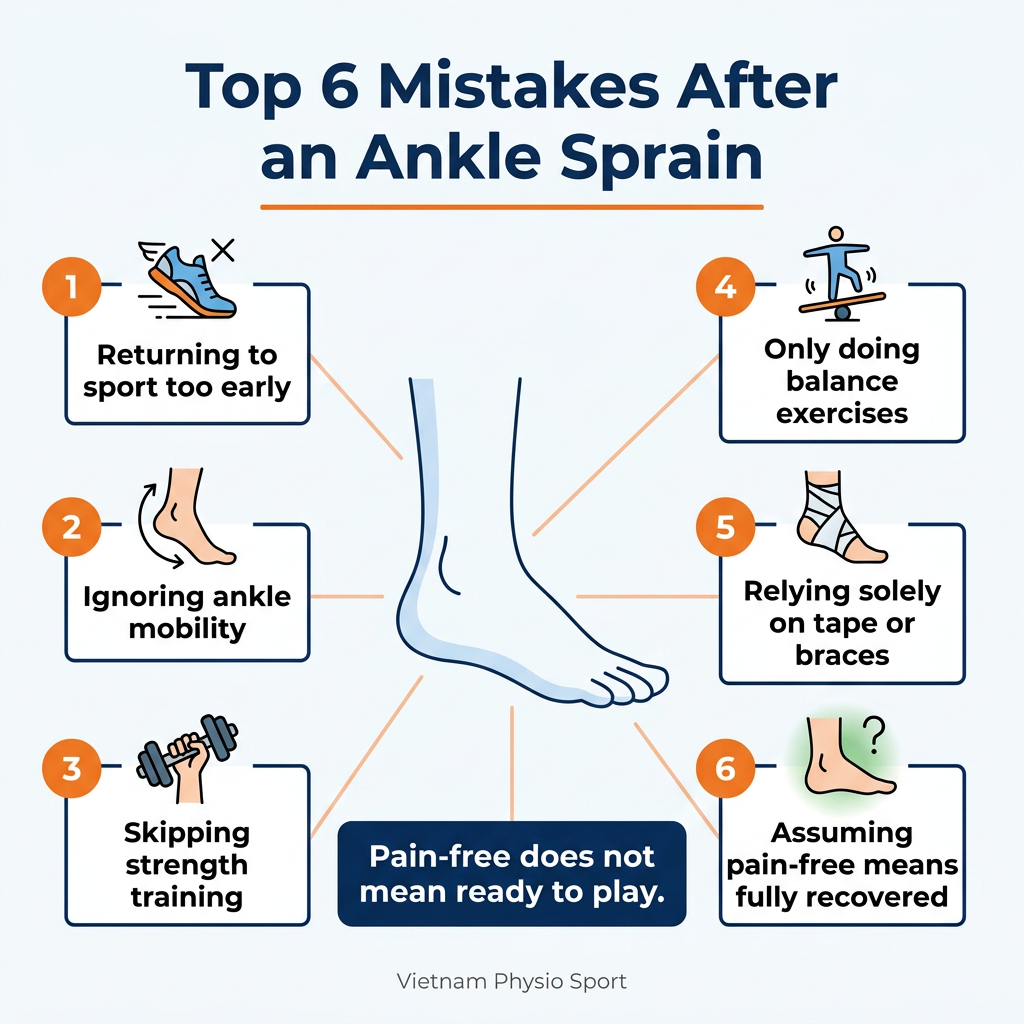
Many recurrent ankle problems are linked to incomplete rehabilitation rather than the original injury itself.
Common mistakes include:
Resting for too long
Returning to sport too early
Ignoring dorsiflexion deficits
Focusing only on balance exercises
Neglecting strength training
Relying solely on taping or braces
Successful rehabilitation requires a structured progression that addresses mobility, strength, function and sport-specific demands.
How Long Does Recovery Take?
Recovery timelines vary significantly depending on the injury.
General estimates include:
Grade 1: 1–3 weeks
Grade 2: 3–8 weeks
Grade 3: 8–16+ weeks
However, these timelines should only be considered rough guidelines.
Recovery timelines vary considerably depending on the type of ankle sprain, the severity of the injury and the rehabilitation program followed. High ankle sprains (syndesmotic injuries) often require a longer recovery period than traditional lateral ankle sprains.
The quality of rehabilitation and the athlete's functional progress are often more important than the number of weeks since injury.
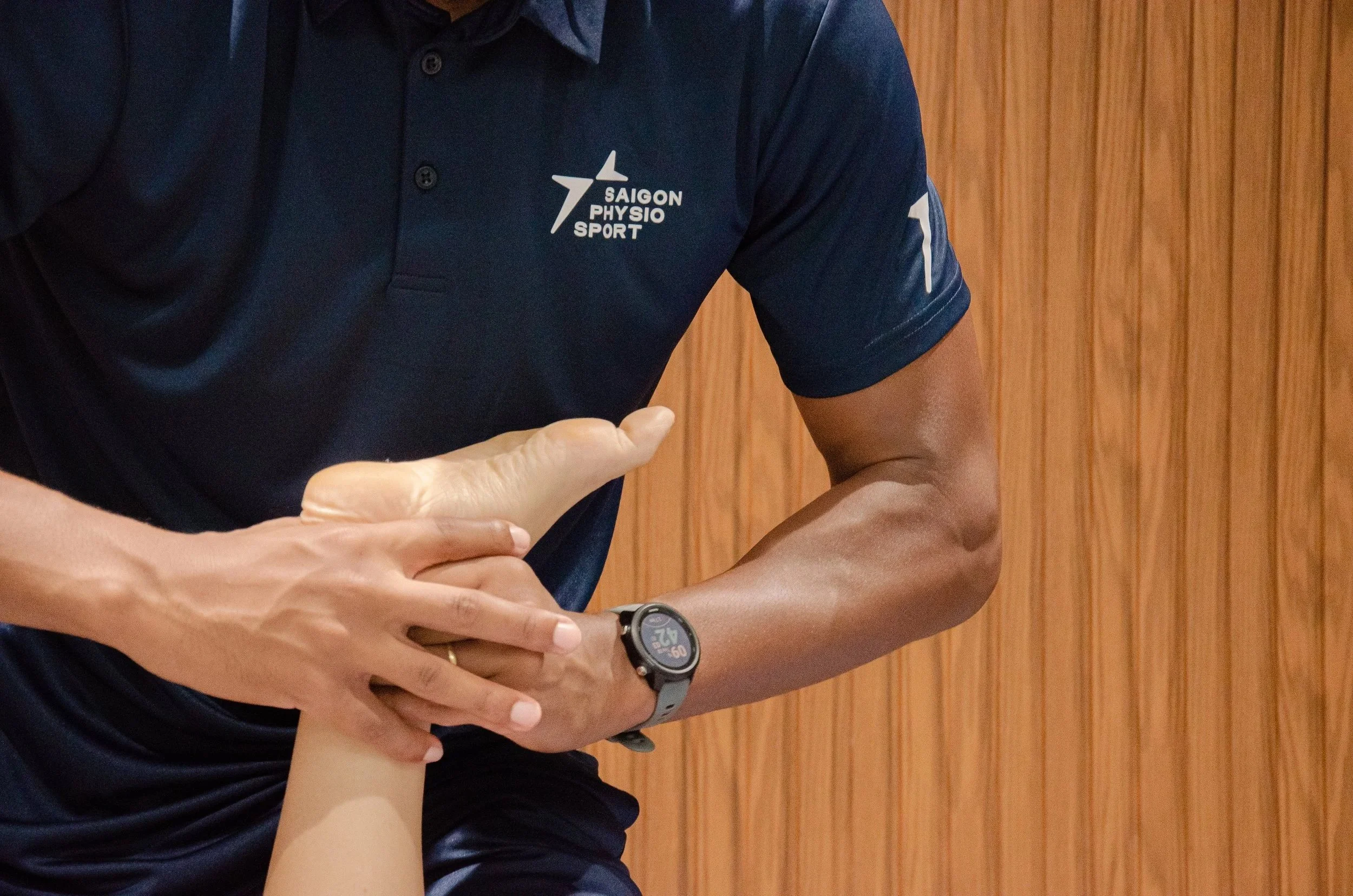
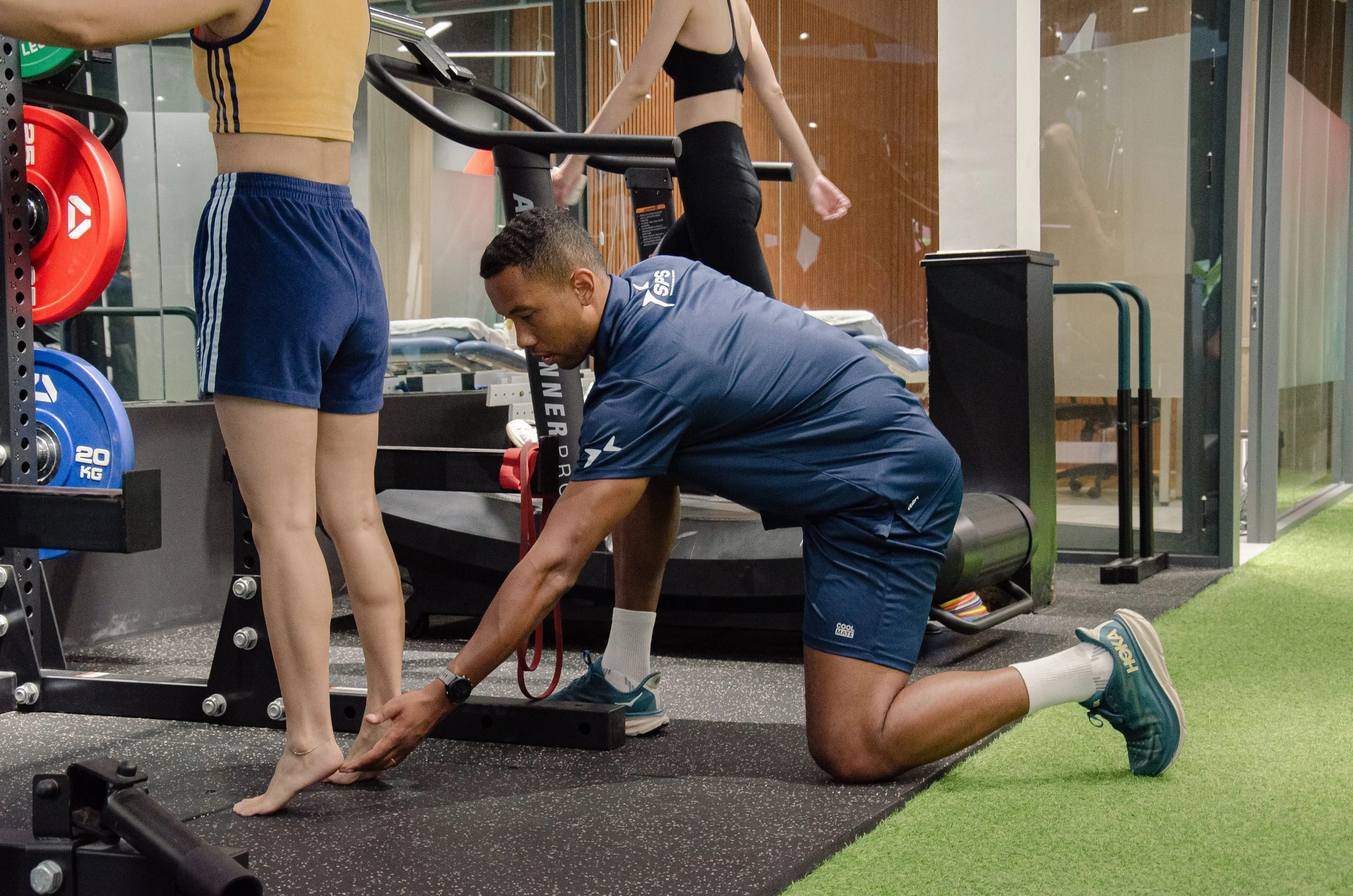
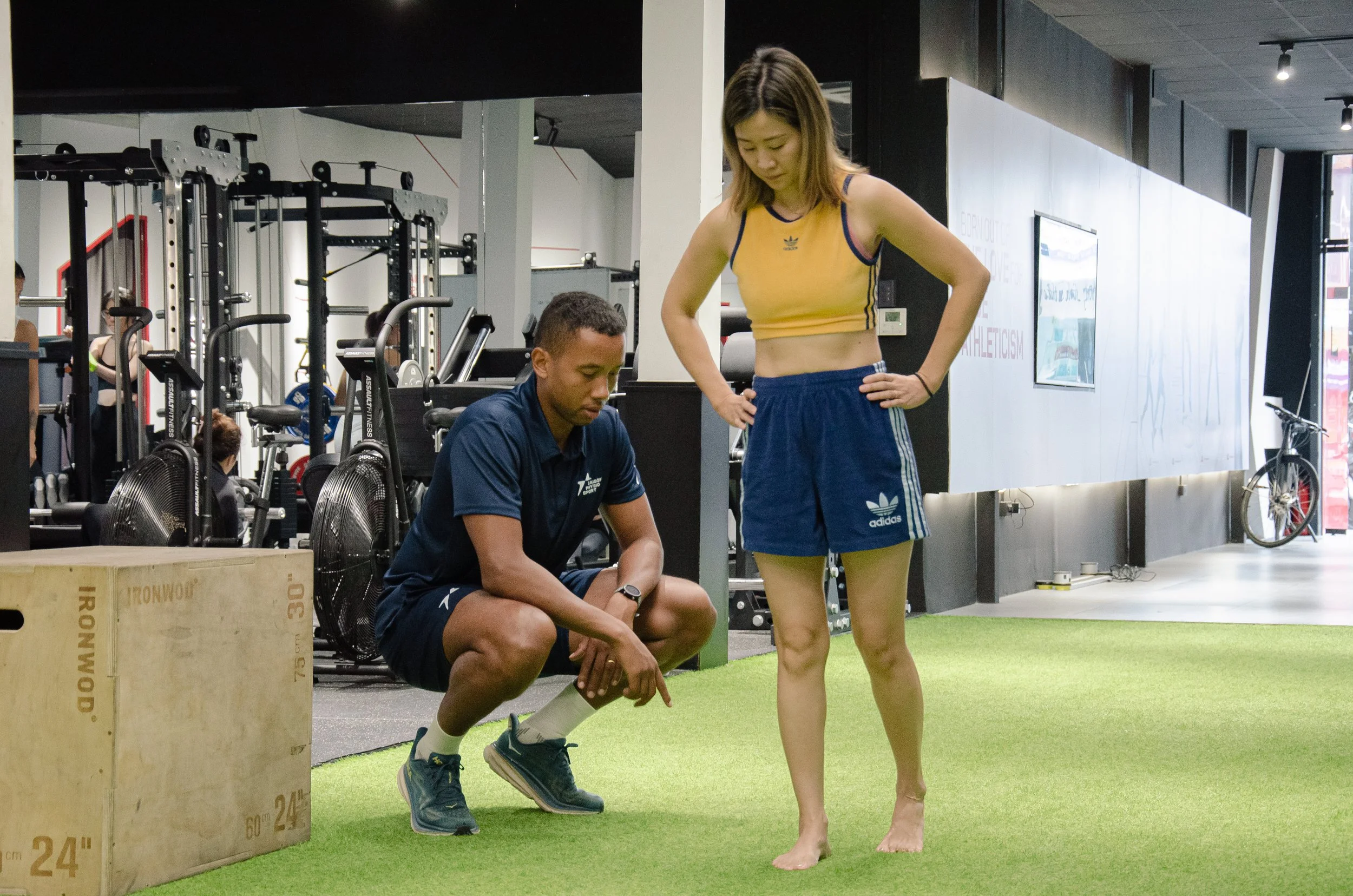
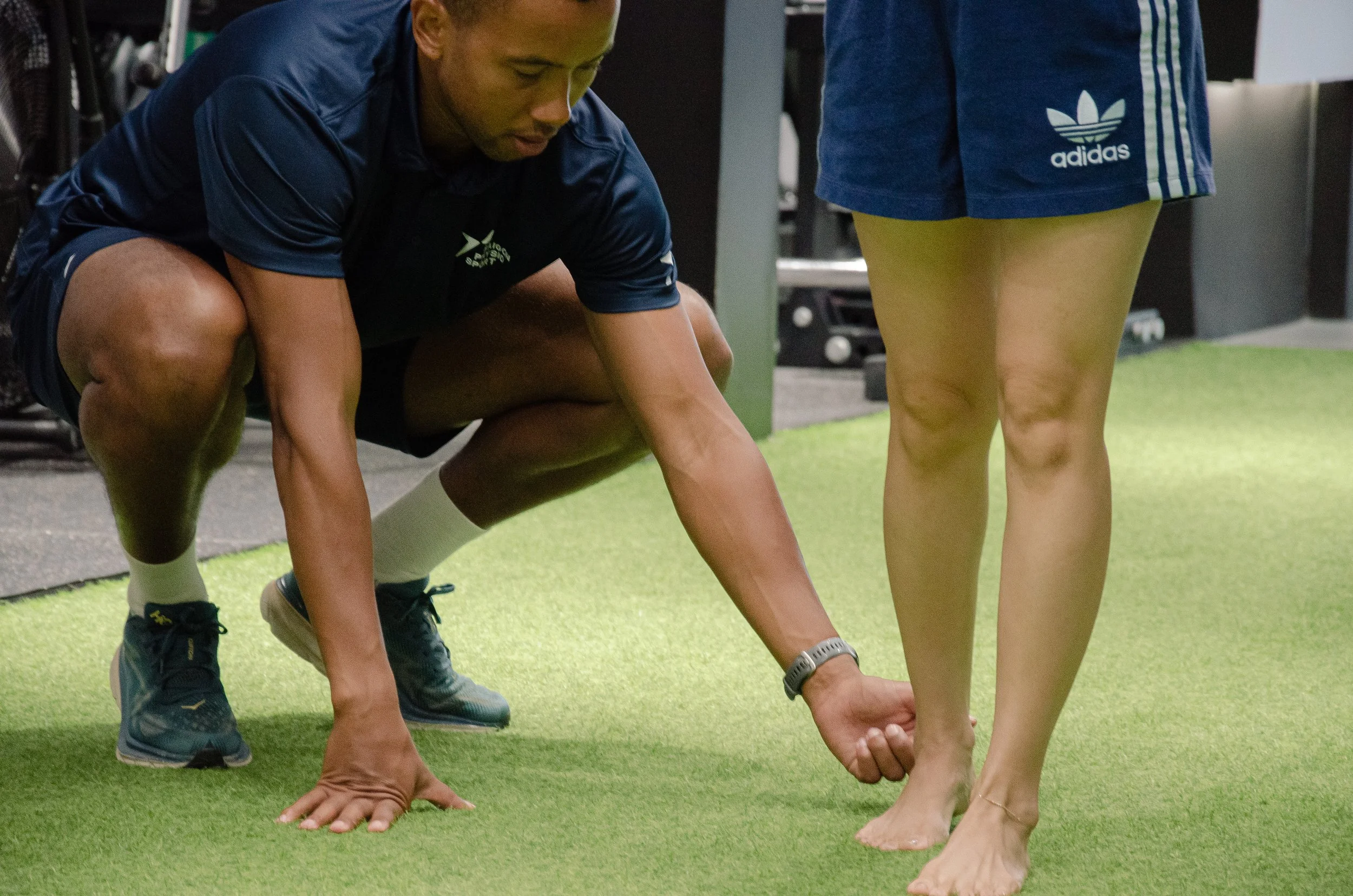
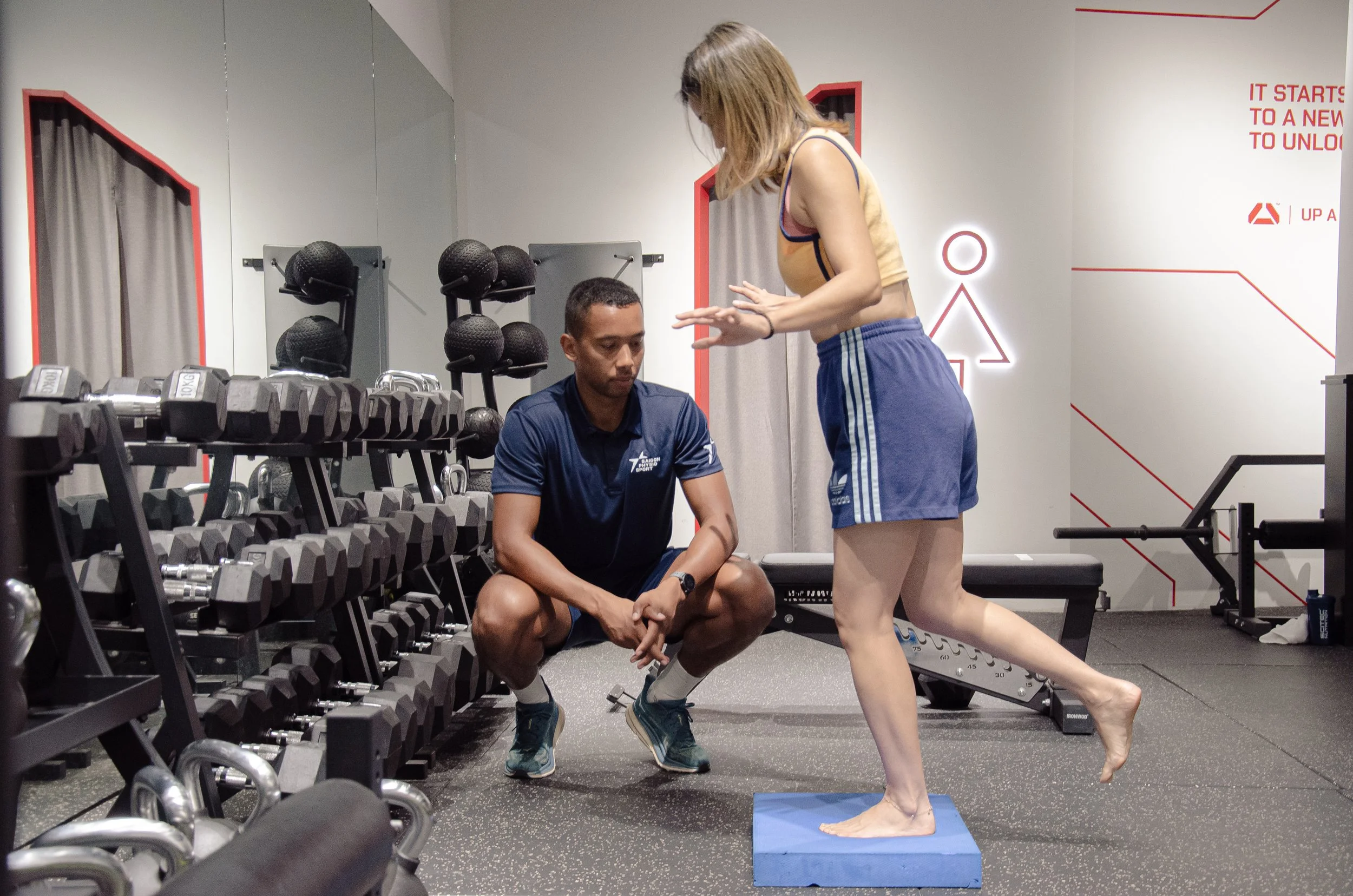
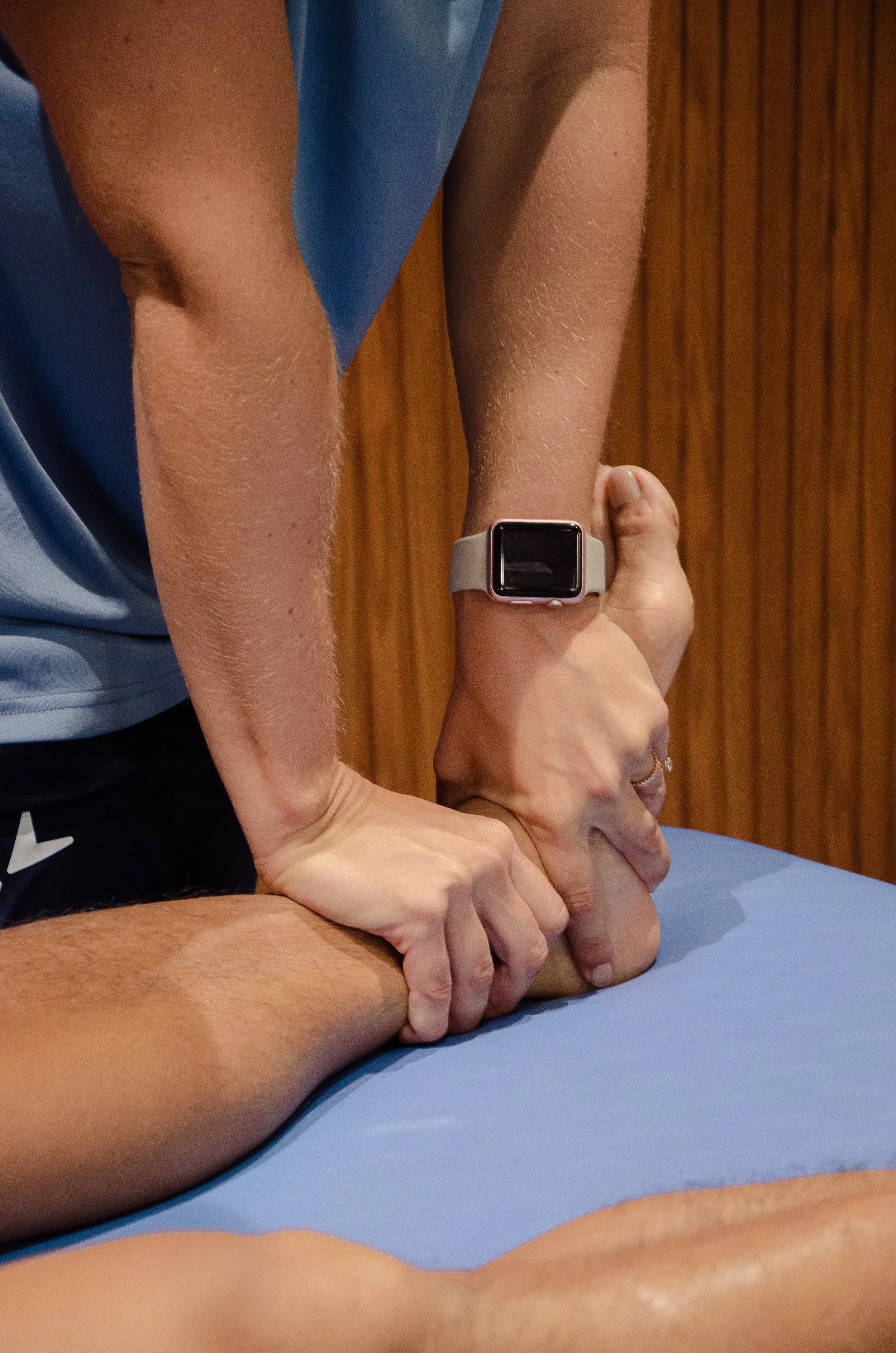
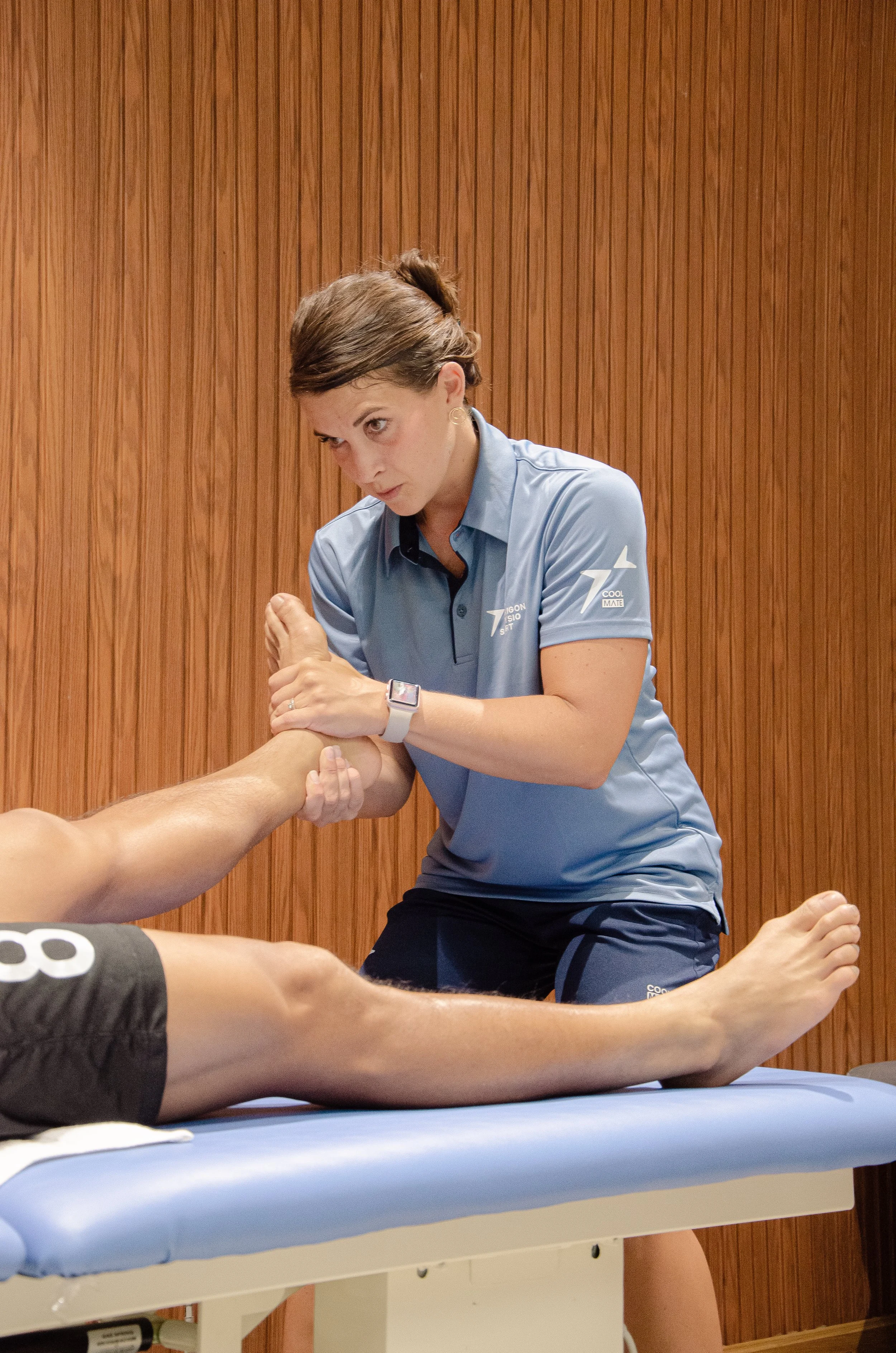
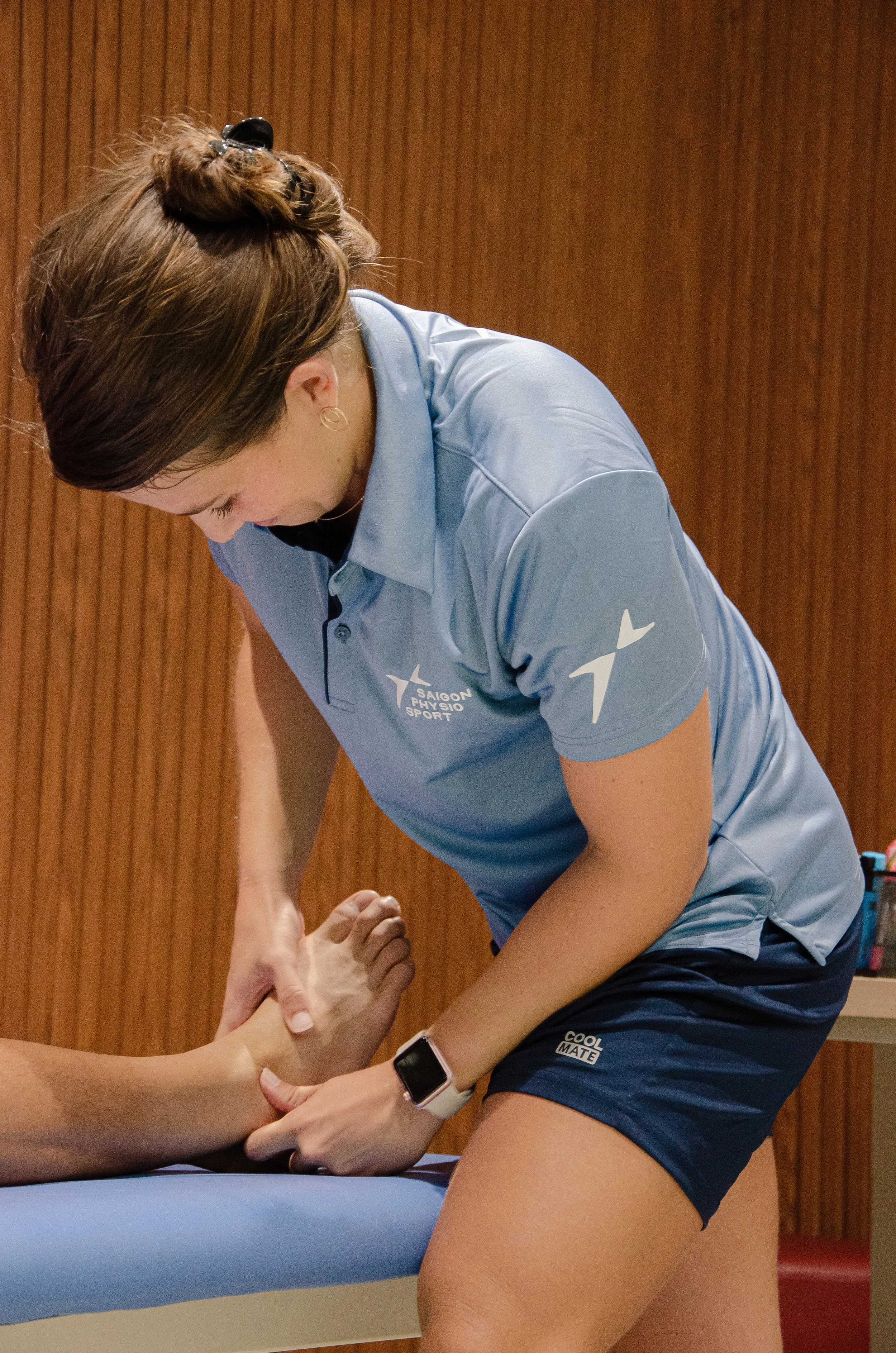
At Vietnam Physio Sport, we take a comprehensive approach to ankle sprain rehabilitation.
Our process includes:
Detailed assessment
Accurate diagnosis
Mobility evaluation
Strength testing
Progressive exercise prescription
Running progression
Return-to-sport testing
We regularly work with athletes from a wide range of sports including football, basketball, running, pickleball, padel and racket sports.
Our goal is not simply to reduce pain, but to restore full function and help athletes return to sport with confidence.
Frequently Asked Questions About Ankle Sprains
Can I walk on a sprained ankle?
Many athletes can walk after an ankle sprain, but difficulty bearing weight should always be assessed carefully, particularly during the first 24–48 hours.
Should I ice my ankle?
Ice may help manage pain in the early stages, but it is only one small part of the recovery process.
When can I run again?
This depends on your symptoms, strength and function. Running should be introduced progressively when specific rehabilitation milestones have been achieved.
Why does my ankle keep rolling?
Persistent weakness, mobility deficits, poor control and incomplete rehabilitation are common reasons for recurrent ankle sprains.
Do ankle braces prevent injuries?
Braces may reduce injury risk in some situations, but they are most effective when combined with proper rehabilitation.
Can ankle sprains heal without physiotherapy?
Many ankle sprains improve naturally, but rehabilitation helps reduce the risk of chronic instability and recurrent injury.
When should I see a physiotherapist?
If pain, swelling, instability or functional limitations persist beyond the initial days following injury, professional assessment is recommended.
How Long Does Ankle Swelling Last After a Sprain?
Swelling may last from a few days to several weeks depending on the severity of the injury. Some swelling can persist even after pain has improved.
Can I Continue Playing Sport With a Sprained Ankle?
It depends on the severity of the injury. Returning too soon may increase the risk of re-injury and delayed recovery.
Ready to Return to Sport with Confidence?
Ankle sprains should never be considered "minor" injuries simply because they are common.
Proper diagnosis, progressive rehabilitation and objective return-to-sport criteria are essential to reduce the risk of recurrent injury and long-term instability.
If you are recovering from an ankle sprain and would like a personalized rehabilitation plan, contact our sports physiotherapy team in Ho Chi Minh City or Hanoi.