Low Back Pain in Active People: An Evidence-Based Approach to Recovery
Low back pain is one of the most common musculoskeletal conditions worldwide. Whether you're a runner, gym-goer, office worker or recreational athlete, chances are you'll experience an episode of back pain at some point in your life.
The good news is that most episodes of low back pain are not caused by a serious injury and improve with the right advice, progressive exercise and a gradual return to normal activities.
At Vietnam Physio Sport, low back pain is one of the most common conditions we treat in active individuals. We regularly help runners, football players, weightlifters, racket sport athletes and office workers recover through evidence-based rehabilitation and progressive strength training.
One of the biggest misconceptions surrounding back pain is that movement should be avoided until the pain disappears. In reality, staying appropriately active is often one of the most important parts of recovery.
This guide explains what low back pain is, why it happens, when medical assessment is necessary and how an active rehabilitation approach can help you return confidently to work, sport and daily life.
What Is Low Back Pain?
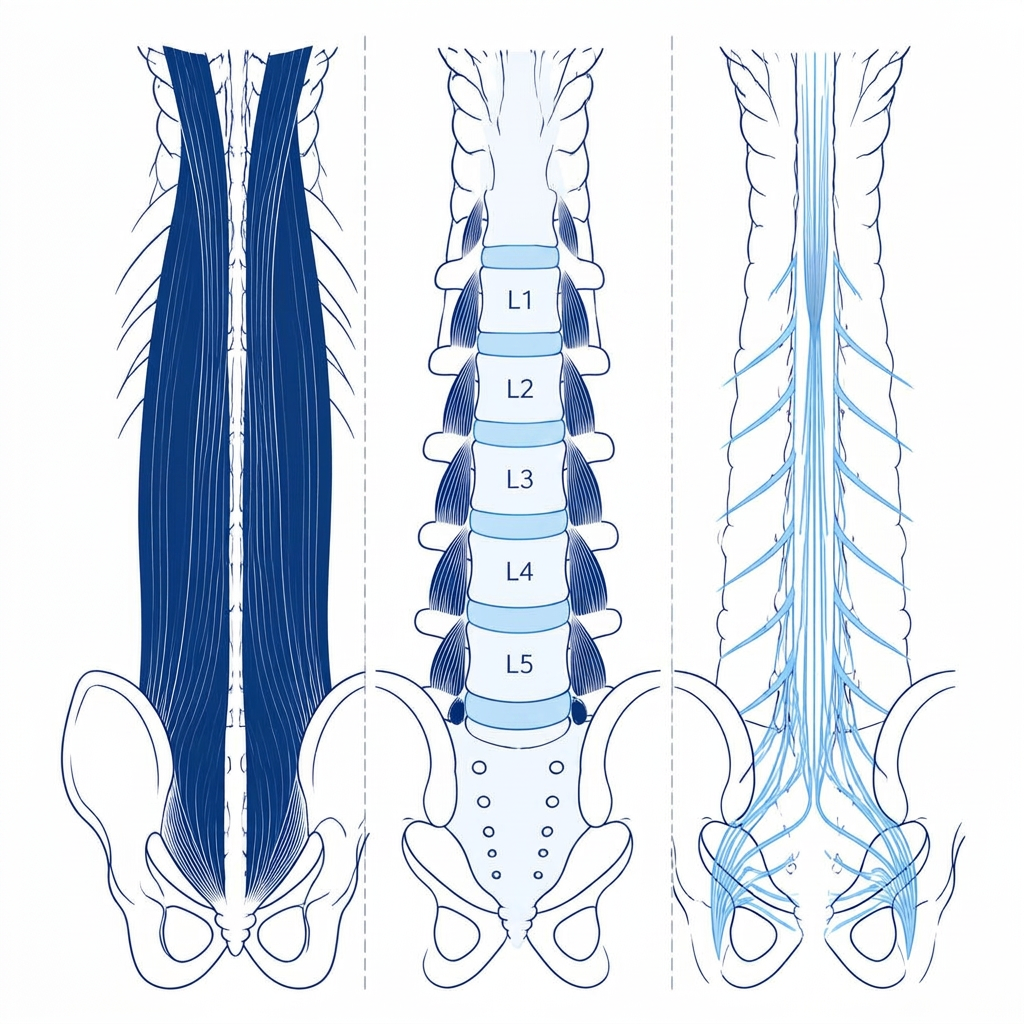
Low back pain refers to pain or discomfort felt in the lumbar region, between the bottom of the ribs and the pelvis.
The lumbar spine is designed to be both strong and mobile. It allows us to bend, lift, twist, run and absorb forces during everyday life and sport.
Several structures work together to support movement, including the vertebrae, intervertebral discs, facet joints, muscles, ligaments and nerves.
One important fact often surprises patients: in most cases, it is impossible to identify one single structure responsible for the pain. This is known as non-specific low back pain, and it accounts for the vast majority of cases.
Although this may sound frustrating, it is actually reassuring. Most people recover well without needing a precise tissue diagnosis, provided they receive the right advice and follow a progressive rehabilitation program.
Why Does Low Back Pain Happen?
Low back pain is rarely caused by one single event. Instead, it is usually multifactorial, meaning several factors combine to trigger symptoms.
Common contributing factors include:
A sudden increase in training or physical activity
Repetitive lifting or bending
Long periods of sitting
Fatigue and poor sleep
High levels of stress
Returning to activity too quickly
Reduced physical conditioning
For example, someone may develop back pain after lifting a heavy box. While the lift appears to be the cause, poor sleep, accumulated fatigue and increased workload may also have contributed.
One of the most important messages throughout this guide is simple:
Pain does not always equal damage.
The amount of pain you experience does not necessarily reflect the amount of tissue injury. Your nervous system, previous experiences, stress and many other factors all influence how pain is perceived.
When Should You Seek Medical Attention?
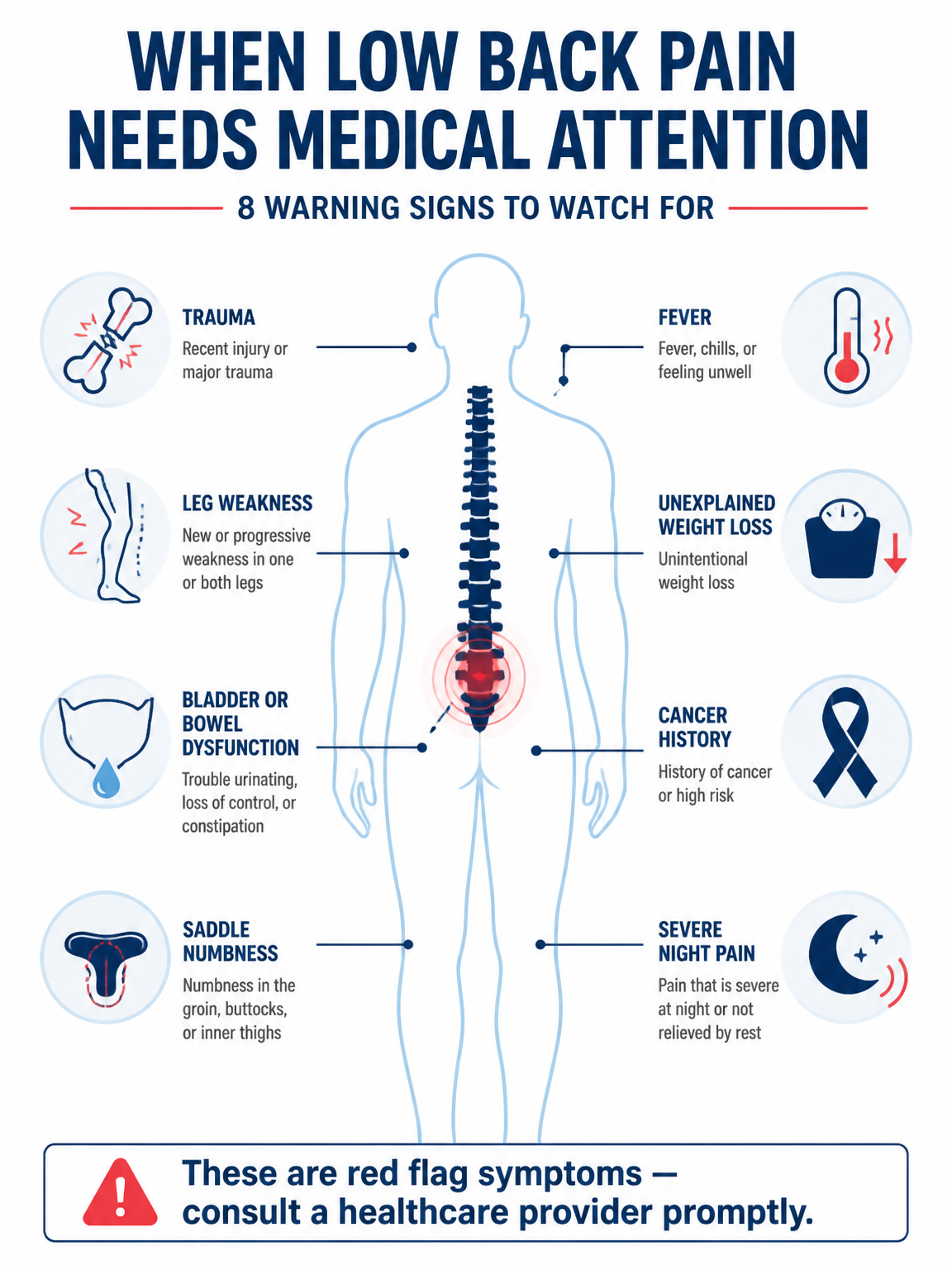
Most episodes of low back pain improve with conservative management. However, some symptoms require prompt medical assessment.
Seek medical attention if your back pain is associated with:
Significant trauma
Severe or progressive weakness in one or both legs
Loss of bladder or bowel control
Numbness around the groin or saddle area
Fever or signs of infection
Unexplained weight loss
A history of cancer
Constant night pain that is not relieved by rest
Fortunately, these situations are uncommon. Most people with low back pain do not present with these warning signs and can safely begin an active rehabilitation program.
Do I Need an MRI?
One of the most common questions we hear is:
"Should I get an MRI?"
For most people with recent low back pain, the answer is not immediately.
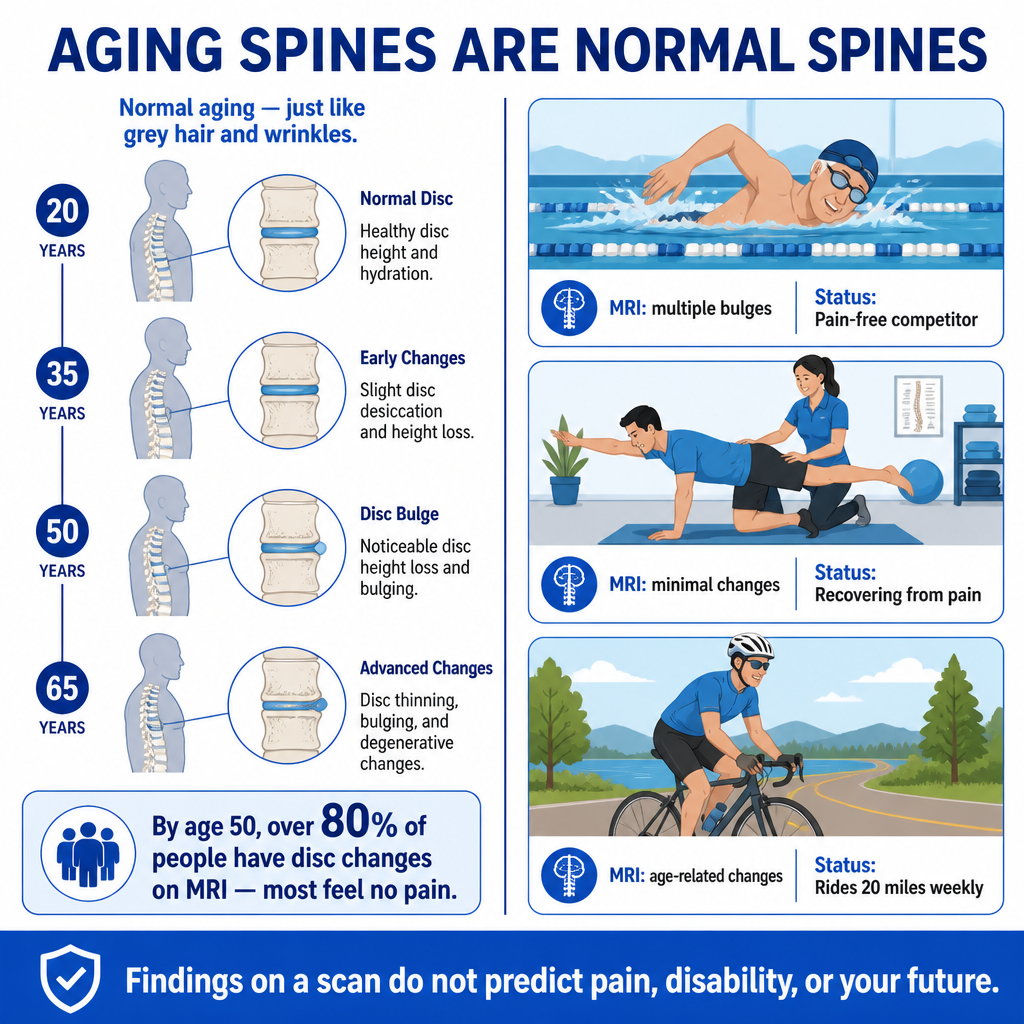
Research shows that many people without back pain have MRI findings such as:
Disc bulges
Disc degeneration
Arthritic changes
These findings are often part of normal ageing and do not necessarily explain your symptoms.
MRI scans may be appropriate when serious pathology is suspected, when neurological symptoms require further investigation, or when imaging is likely to influence clinical management. However, imaging should always be interpreted alongside your clinical assessment rather than in isolation.
Common Myths About Low Back Pain
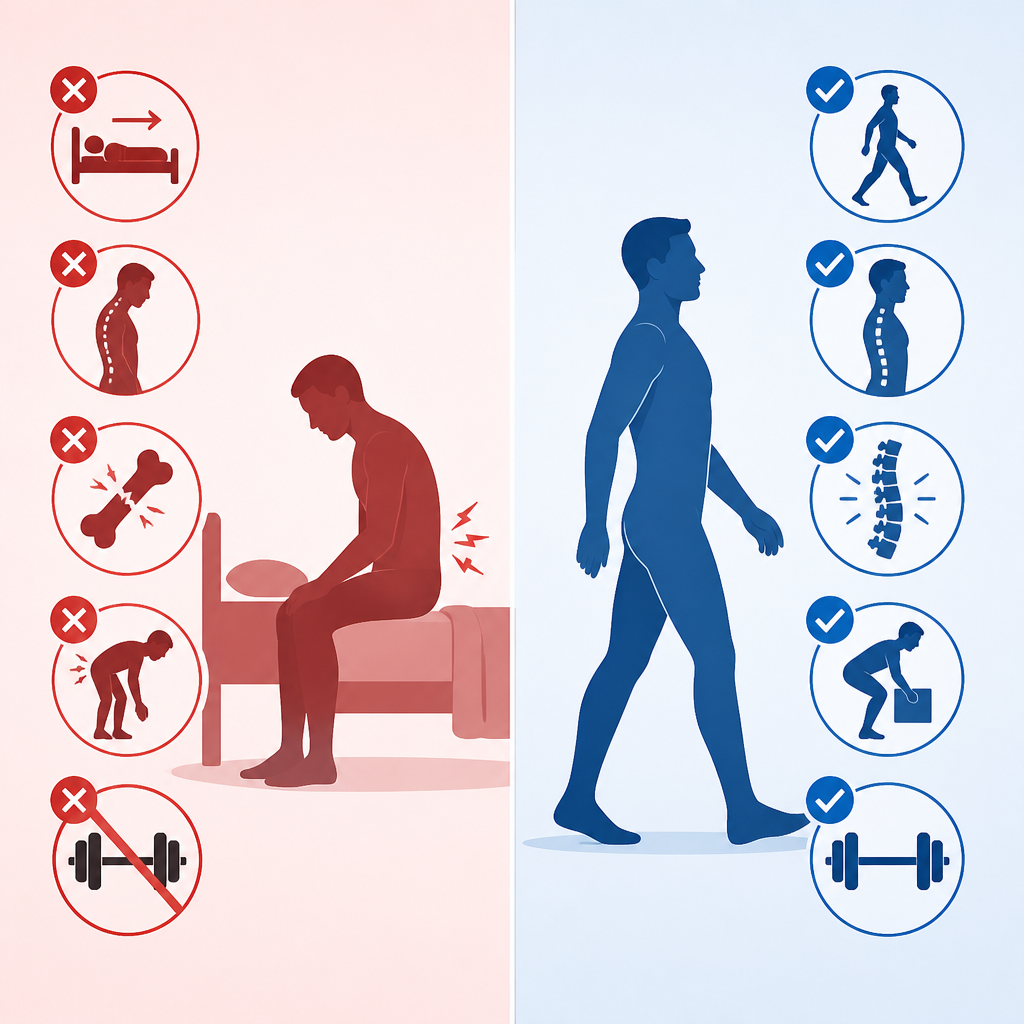
Many beliefs about back pain are outdated and may actually slow recovery.
Myth: I should stay in bed until the pain disappears.
Fact: Gentle movement and staying active are usually more beneficial than prolonged rest.
Myth: My posture caused my pain.
Fact: There is no single "perfect posture." Movement variety is often more important than posture itself.
Myth: My back is fragile.
Fact: The spine is a strong and adaptable structure designed to tolerate movement and load.
Myth: I should never bend forward.
Fact: Bending is a normal movement. Gradually reintroducing it often helps restore confidence and function.
Myth: I should never lift weights again.
Fact: Appropriately prescribed strength training is one of the most effective tools for recovering from low back pain.
The 5 Phases of Rehabilitation
Successful rehabilitation follows a progressive approach rather than relying on complete rest.
Phase 1 – Manage Pain
Reduce pain while remaining as active as possible.
Phase 2 – Restore Movement
Gradually regain comfortable spinal and hip mobility.
Phase 3 – Build Strength
Develop strength and endurance through progressive exercise.
Phase 4 – Return to Daily Activities
Increase tolerance for work, lifting and recreational activities.
Phase 5 – Return to Sport
Reintroduce sport-specific movements, running and higher training loads based on function rather than pain alone.
Should You Keep Exercising?
In most cases, yes.
Rather than stopping all activity, rehabilitation often involves modifying exercises to keep you moving while respecting your symptoms.
Walking, cycling, swimming and appropriately adapted strength training are frequently excellent options during recovery.
The goal is to maintain fitness and confidence while progressively increasing activity levels as symptoms improve.
Strength Training Is Part of Recovery
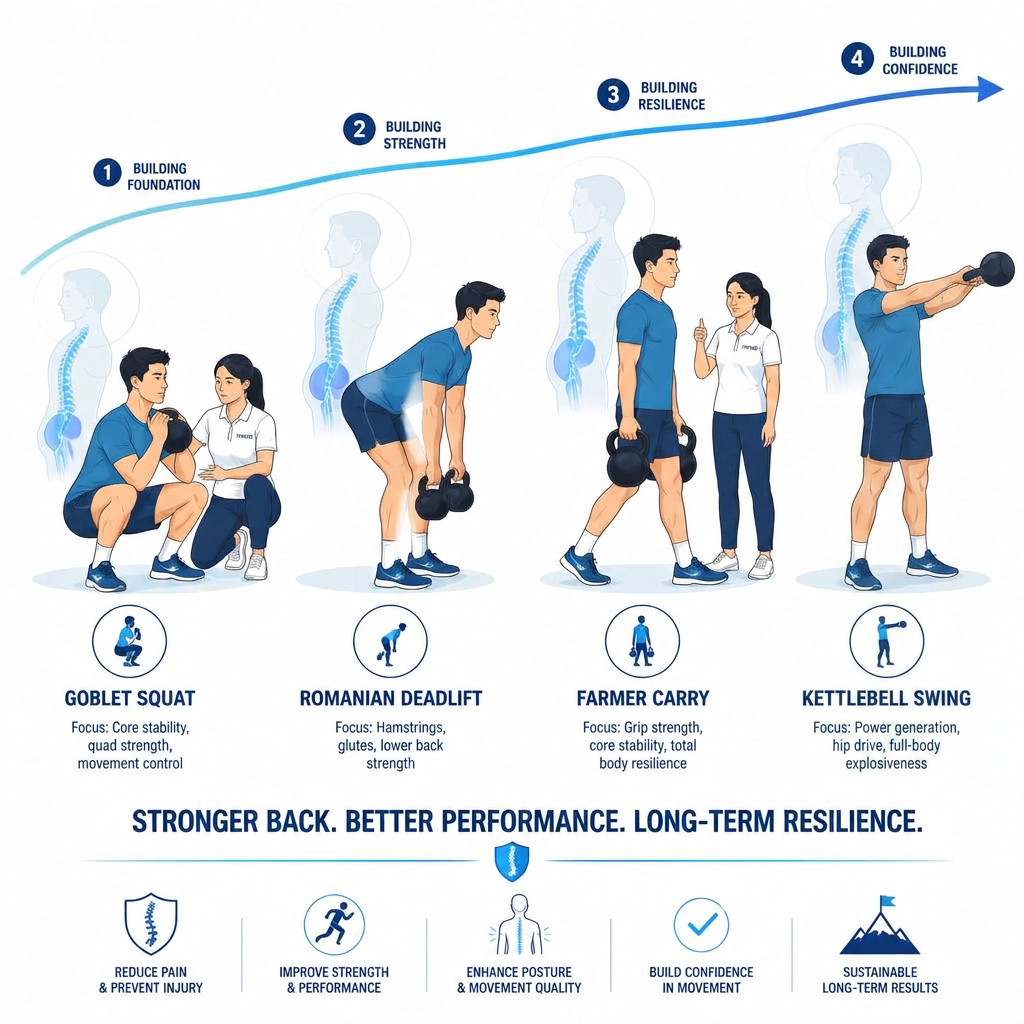
Many people worry that lifting weights will worsen their back pain. In reality, progressive strength training can help restore function, improve physical capacity and build confidence in movement.
Exercises may include:
Hip hinge variations
Squats
Deadlifts
Farmer carries
Lunges
Core strengthening exercises
The focus should not be on avoiding movement but on gradually increasing your body's capacity to tolerate it.
Low Back Pain Rehabilitation at Vietnam Physio Sport
At Vietnam Physio Sport, our physiotherapy teams in Ho Chi Minh City and Hanoi take an active, evidence-based approach to low back pain rehabilitation.
Our assessment includes:
Movement analysis
Mobility assessment
Strength testing
Functional evaluation
Identification of contributing factors
Your rehabilitation program is tailored to your goals, whether you want to return to work, the gym, running or competitive sport.
Our objective is not only to reduce pain but also to restore confidence, improve physical capacity and help you return safely to the activities you enjoy.
Frequently Asked Questions About Low Back Pain
Should I stay in bed if I have back pain?
No. Prolonged bed rest is generally not recommended. Staying appropriately active usually supports recovery.
Should I get an MRI?
Not necessarily. Most episodes of low back pain do not require imaging.
Can I continue going to the gym?
In many cases, yes. Exercises may need to be modified temporarily but complete rest is rarely necessary.
Is walking good for low back pain?
Walking is often an excellent way to remain active during recovery.
Can I deadlift again after back pain?
Yes. With appropriate progression, many people safely return to deadlifting and other strength exercises.
Is my posture causing my pain?
Current evidence suggests that posture alone is rarely the primary cause of low back pain.
When should I see a physiotherapist?
If your symptoms persist, keep returning or limit your daily activities or sport, a physiotherapy assessment can help identify contributing factors and guide your recovery.
Ready to Get Back to the Activities You Love?
Low back pain is common, but it doesn't have to stop you from living an active life.
With the right assessment, education and progressive rehabilitation, most people can safely return to work, sport and the activities they enjoy.
If you're experiencing low back pain, our sports physiotherapy team in Ho Chi Minh City and Hanoi is here to help you recover with confidence through evidence-based rehabilitation.
Looking for more rehabilitation resources? Explore our guides on ankle sprain rehabilitation and ACL rehabilitation.